The global coaching industry has reached a fascinating inflection point. Once considered a luxury reserved exclusively for the C-suite, or a niche “cottage industry” populated by generalist practitioners, coaching has rapidly matured into a systemic, global infrastructure. According to the 2025 International Coaching Federation (ICF) Global Coaching Study, the industry generated a staggering $5.34 billion in total annual revenue last year.
Yet, as the industry scales, the core of what makes coaching effective is shifting. We are entering an era defined by a fascinating paradox: as coaching becomes more technologically advanced, the demand for deep, authentic, and emotionally resonant human connection is skyrocketing. Clients and organizations are no longer looking for mere productivity hacks or algorithmic goal-tracking. They are seeking transformation.
For business leaders, human resources professionals, and coaching practitioners, understanding this duality is critical. The future of coaching will be defined by the rapid integration of advanced technologies (AI, VR, and data analytics) running parallel to a paradigm shift toward “human depth,” holistic wellbeing, and the widespread democratization of access.
 |
Author: Jonathan M. Pham |
Highlights
- While AI and digital tools are taking over administrative tasks and “micro-coaching”, they cannot replace the “human mirror.” The future relies on AI for efficiency while humans provide “sacred space” for deep emotional resonance and nuance.
- Coaching is moving down the corporate ladder; more and more organizations now view it as a critical talent strategy. Many are shifting from 1:1 models to group coaching, which has been shown to increase team collaboration.
- Clients are moving away from simple “performance hacks” toward “Regenerative Coaching” and “Neuro-coaching.” There is a high premium on emotional intelligence (EQ), as more employers prioritize EQ over technical skills when hiring.
- The era of the generalist is ending. The market now demands hyper-specialized experts (e.g., trauma-informed or neurodivergent coaching), and many clients now insist on working with credentialed or certified practitioners.
- The industry faces a significant representation challenge; currently, 81.2% of coaches identify as White, leading to a surge in demand for culturally fluent, BIPOC, and neuro-affirming practitioners to better reflect the global workforce.
The Technological Renaissance: Amplification, Not Replacement
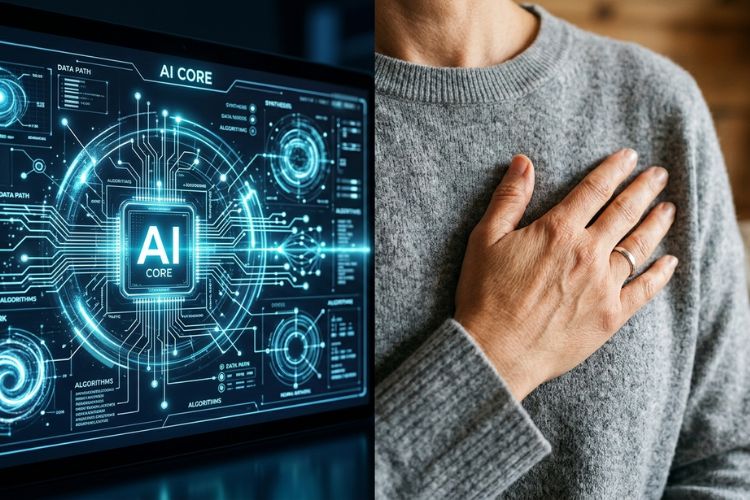
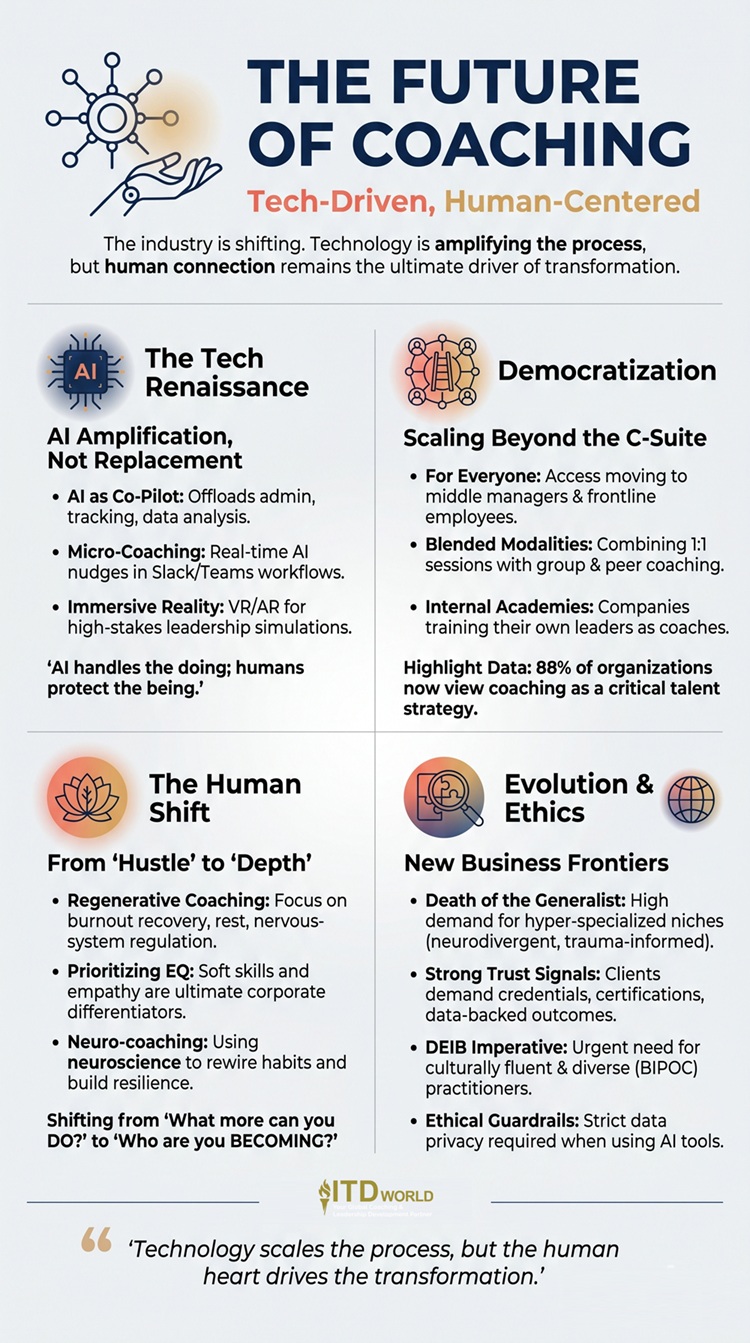
For years, the looming question in the professional development space has been whether Artificial Intelligence will eventually replace human coaches. The definitive answer, driven by both market trends and human psychology, is NO. AI and immersive technologies are radically changing the “doing” of coaching, but humans will always protect the “being.”
AI as a creative partner & co-pilot
Rather than a threat to the coaching profession, AI serves as an amplifier. As noted by Angela Lee, Executive Coach and former ICF Hong Kong President, it is a functional tool capable of handling the logistical heavy lifting. Generative AI tools are now being used to transcribe sessions, track goals, analyze conversational sentiment, and identify communication patterns. As a result, coaches can now offload cognitive fatigue and administrative tasks and have the freedom to focus entirely on empathy, nuance, and strategic inquiry.
Liv Chapman, CEO of the IGC Coaching School, refers to the human coach as the irreplaceable “Human Mirror.” While an AI is capable of rapidly synthesizing data based on programmed logic, it lacks the ability to pick up on subtle non-verbal cues—a shift in breathing, a fleeting micro-expression, or a sudden change in tone. AI cannot hold “sacred space” for intense emotions, making the human element a premium, future-proof asset.
Read more: AI in Leadership – Bridging the Gap Between Adoption & Maturity
The rise of Immersive Coaching (VR/AR)
The industry has already transitioned seamlessly into the digital space, with 87% of coaches now delivering services via video platforms (ICF 2025 Study). However, the next frontier moves beyond the 2D screen into immersive experiential learning.
Virtual Reality (VR) and Augmented Reality (AR) are poised to redefine how leaders practice complex skills. Currently, adoption is modest—only 5% of coaches use VR and 2% use AR. However, those figures are projected to jump to 17% and 12%, respectively, within the next three years.
VR allows clients to step into low-risk, high-stakes leadership simulations. For instance, a manager can practice a difficult termination conversation or a high-pressure boardroom presentation with realistic avatars before executing it in the real world.
Data-driven interventions & “Micro-coaching”
Subjective feedback is being replaced by objective “decision hygiene.” Through advanced analytics and wearable technology, coaches can now track a client’s behavioral changes, sleep patterns, movement, and stress levels, offering a highly personalized, holistic view of their progress.
At the same time, we are seeing the emergence of “micro-coaching” in the flow of work. Rather than waiting for a bi-weekly one-hour session, technology enables AI-driven nudges directly integrated into workplace communication tools like Slack or Microsoft Teams. These targeted, in-the-moment prompts make it easier for clients to correct behaviors and apply coaching frameworks in real-time, right when they need them most.
Read more: Why Follow Up is Crucial to Behavior Change & Leadership Effectiveness
The future of coaching
Democratization and the Scaling of Coaching
Back in the day, professional coaching was a top-tier privilege. According to the ICF, historically, only 25% of employees in large organizations had access to traditional coaching.
Nowadays, businesses are recognizing that resilience, adaptability, and emotional intelligence are required at every level of the corporate hierarchy. As such, coaching is rapidly moving down the organizational chart.
Scaling beyond the C-suite
Organizations are increasingly democratizing coaching, extending it to middle managers, emerging leaders, and frontline employees. This shift is driven by the realization that in an era of constant disruption, a resilient workforce is a company’s most vital asset. In fact, a recent survey by Deloitte found that 88% of organizations now view coaching as a critical part of their talent strategy—a significant jump from just 63% five years ago.
Blended modalities & the collective approach
To scale coaching cost-effectively, companies are moving beyond the traditional 1:1 executive model. Blended modalities—combining individual coaching with group, team, and peer-to-peer coaching—are becoming the gold standard.
Group coaching, in particular, offers shared learning and breaks down organizational silos. A study by the Human Capital Institute (HCI) revealed that group coaching participants were 42% more likely to report increased team collaboration and 34% more likely to develop leadership skills compared to those who received no coaching at all. Additionally, collective coaching environments are proving highly effective in bridging the intergenerational gap, fostering dialogue and mutual mentorship between Generation Z entrants and Baby Boomer veterans.
The rise of internal coaching academies
To sustain this scale, companies are building “high-performing coaching cultures” by empowering their own leaders to act as coaches. Rather than relying solely on external vendors, forward-thinking organizations are establishing internal coaching academies. By equipping managers with a “curious first, critical second” mindset and formally training them in core coaching competencies (active listening, powerful questioning), organizations weave developmental feedback into the very fabric of daily operations.

The future of coaching
The Human Paradigm Shift: From “Hustle” to “Depth”
As the mechanics of coaching evolve, so too does the psychological philosophy underpinning it. Clients are fundamentally shifting what they want out of a coaching engagement.
The end of the “Doing” paradigm
In the early 2010s, coaching was heavily focused on performance optimization: setting sharper goals, tracking metrics, and driving accountability. However, in today’s hyper-connected, AI-driven world, more and more clients are exhausted by hustle culture. If an algorithm can already micro-manage a schedule and optimize productivity, people do not want a human coach to act like an organic spreadsheet.
The rise of “Depth” and “Regenerative” coaching
The future of coaching lies in depth, not just doing. Depth coaching shifts the question from “What more can you DO?” to “Who are you BECOMING?” It is a paradigm that goes beneath surface-level symptoms to address foundational thought patterns, values, and archetypal behaviors.
Similarly, the industry is embracing “Regenerative Coaching,” which pivots from pure performance optimization to restoring human capacity. Regulation, rest, and nervous-system awareness are no longer viewed as wellness luxuries; rather, they are positioned as critical leadership tools. Burnout recovery and emotional equilibrium have moved from the yoga mat directly to the boardroom.
Building intangible “soft” skills
As automation and AI consume routine technical tasks, human-centric “soft skills” have become the ultimate corporate differentiator. Research published in the Harvard Business Review found that organizations investing in soft skill development see a 256% return on investment, alongside a 12% increase in productivity. Furthermore, 71% of employers now prioritize emotional intelligence (EQ) over technical competencies when evaluating candidates.
Coaching is uniquely positioned to cultivate these critical intangibles. For instance, empathy is now recognized as a measurable driver of business success. According to Catalyst, employees with empathetic leaders are 76% more likely to be engaged and 61% more likely to report being innovative.
Read more: Essential Soft Skills in the Age of AI
The integration of neuro-coaching
To facilitate these deep behavioral shifts, coaches are increasingly utilizing “neuro-coaching.” By integrating neuroscience into their frameworks, they can provide clients with brain-based evidence for why they react to stress the way they do, helping them effectively rewire trauma, break deeply ingrained habits, and cultivate lasting resilience based on their own neurobiology.

The future of coaching
The Evolving Business of Coaching
The explosive growth of the coaching industry—expected to surpass $6 billion globally by 2026—brings with it intense market saturation. For coaching businesses to thrive in this new landscape, their operational and marketing models must dramatically evolve.
Hyper-specialization: The death of the generalist
The catch-all title of “Life Coach” or “Business Coach” is rapidly losing traction. Clients no longer buy generic coaching; they want specialized clarity. They are seeking out experts who deeply understand their specific challenges and can articulate their exact world.
This has given rise to hyper-specialized sub-niches. We are seeing massive growth in areas like neurodivergent coaching, digital wellness coaching, trauma-informed leadership, sustainability coaching, and longevity coaching. Additionally, there is a rising demand for “Coach-sulting”—a hybrid model where practitioners blend the non-directive, reflective inquiry of traditional coaching with the tangible, framework-driven advice of consulting.
Trust signals over vague promises
In a noisy digital ecosystem, people are becoming more informed and highly skeptical. Generic promises of “unlocking your potential” no longer convert. Moving forward, growth relies heavily on robust “trust signals.”
Clients want proof, clarity, and accountability. Trust is built through transparent pricing, demonstrated lived experience, data-backed client outcomes, and high-quality thought leadership. As the 2025 ICF study points out, 73% of clients now expect a coach to be credentialed or certified. Professionalism is the baseline; documented transformation is the differentiator.
Read more: 10 Characteristics of a Good Coach
Community as a moat & portfolio careers
The business model is also shifting from single, one-and-done transactional packages to sustainable offer ecosystems. Successful coaches are building long-term retention by creating communities—hybrid masterminds, membership platforms, and peer-networks. In a disconnected digital world, community becomes a business’s ultimate “moat.”
Furthermore, as the global gig economy expands, coaches are finding a lucrative market in supporting “portfolio professionals” and solopreneurs. These clients require specialized coaching to manage fragmented careers, fluctuating decentralized income streams, and the unique psychological burdens of working outside traditional corporate structures.
The future of coaching
Navigating New Frontiers: Ethics, Equity, and Global Impact
With increased global influence comes increased macro-level responsibility. As coaching cements itself as a fundamental pillar of human development, the industry faces critical questions regarding ethics, inclusivity, and global impact.
Diversity, Equity, Inclusion, and Belonging (DEIB)
For coaching to truly serve a global workforce, the industry must reflect the diversity of that workforce. Currently, demographic imbalances remain a challenge. A recent large-scale global survey of the coaching profession revealed that 81.2% of respondents identified as White, highlighting a stark underrepresentation of Black, Indigenous, and People of Color (BIPOC) coaches.
There is a growing demand for culturally fluent coaches and inclusive, neuro-affirming practices. Evidence from decades of mentoring research indicates that under-represented groups highly value having access to professionals who share aspects of their lived experience and identity. Transforming the coaching ecosystem to be more structurally inclusive and racially diverse is a top priority for the industry’s future legitimacy.
Read more: 6 Benefits of DEI in the Workplace
The ethical guardrails of AI
The integration of Artificial Intelligence brings urgent ethical dilemmas, particularly regarding confidentiality. The coaching relationship is established on absolute trust and vulnerability. Feeding sensitive, highly confidential client data into open-source AI models, as such, poses severe ethical and privacy risks.
Coaches must act as “ethical guardians.” They are tasked with ensuring that AI deployment remains human-centered, establishing strict protocols so that technology serves the client’s growth rather than exploiting their data for algorithmic training.
Global standardization vs. Cultural nuance
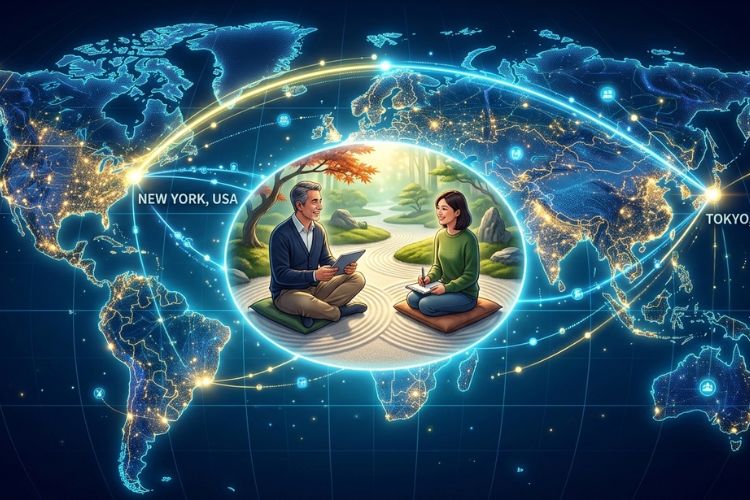
As digital platforms erase geographic borders, allowing a coach in London to seamlessly serve a client in Tokyo, the industry faces a structural tension. There is a strong push toward establishing unified, global ethical standards and credentialing. However, this must be balanced against the need to respect deeply rooted local and cultural approaches to human development.
The future will require a delicate synthesis: maintaining rigorous global professional standards while celebrating regional nuance and community-driven traditions.
Read more: 10 Common Coaching Challenges
The future of coaching
FAQs
Will AI replace human coaches?
No. AI is acting as a powerful amplifier to handle administrative tasks, transcribe sessions, and track data. However, AI cannot replicate empathy, read subtle non-verbal cues, or hold a safe space for deep emotional resonance, which makes the human coach irreplaceable.
What is depth and regenerative coaching?
Depth and regenerative coaching pivot away from traditional “hustle” and pure performance optimization. Instead, they focus on restoring human capacity, addressing foundational thought patterns, preventing burnout, and cultivating emotional resilience.
How is coaching evolving within organizations?
Coaching is being democratized. Instead of being reserved exclusively for the C-suite, organizations are now extending it to middle managers and frontline employees using blended modalities like group coaching and internal coaching academies.
Why is hyper-specialization important for coaches today?
As the coaching market grows and becomes more saturated, the era of the generalist is ending. Clients now demand hyper-specialized experts—such as neurodivergent or trauma-informed coaches—who have deep expertise, proven credentials, and clear trust signals.
Final Thoughts
The future of coaching is not a battle between human intuition and machine efficiency. Rather, it is a harmonious integration where technology scales the process, but the human heart drives the transformation.
As we look toward the remainder of the decade, the industry will undoubtedly continue its rapid financial and structural expansion. Yet, the individuals and organizations that will truly thrive are those that recognize technology as a tool for amplification, not a substitute for presence. They will democratize access, champion diversity, specialize in tangible outcomes, and, above all, protect the sacred space of the human connection.
The question for business leaders, HR professionals, and coaches is no longer whether you will adopt coaching in the future, but rather: Are you preparing to lead from a place of algorithmic efficiency, or soulful depth? The data, and the market, strongly suggest that the highest returns belong to those who choose both.
ITD World provides specialized coaching and training solutions designed to help leaders & organizations secure a competitive advantage – and be equipped to win in today’s dynamic landscape. Contact us today to learn more about our world-class programs!
Other resources you might be interested in:
- 10 Learning & Development Trends to Help Your Workforce Thrive
- 12 Leadership Coaching Topics to Drive Lasting Transformation
- 7 Types of Coaching in the Workplace
- Agility Coaching: Navigating Change & Fueling Business Success
- Future Ready Organization: 11 Tips to Building One