
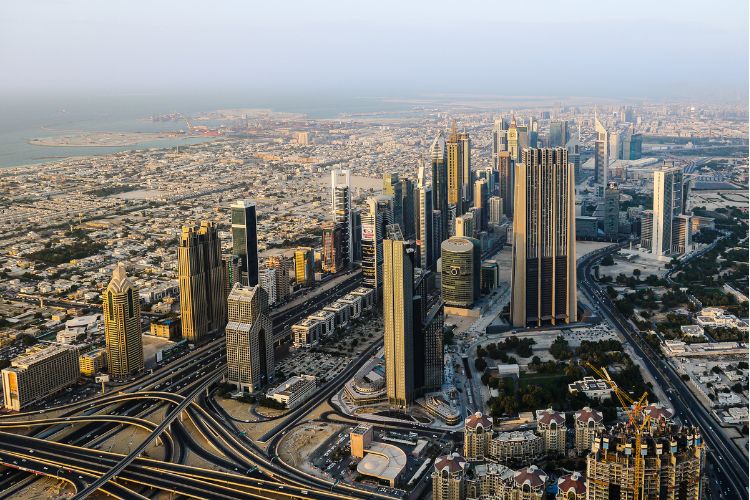
In the ever-evolving theater of global real estate, Dubai-Real.Estate emerges not merely as a portal, but as a gateway—an intelligent engine matching capital with concrete, and vision with velocity. This isn’t just another property market. It’s a carefully orchestrated convergence of luxury, liquidity, and legislative foresight. From skyward towers along the marina to tranquil villas in landscaped enclaves, Dubai’s real estate market doesn’t just exist—it compels.
What drives this gravitational pull? A confluence of zero-tax incentives, bold government reforms, and demographic dynamism. Investors eyeing properties in Dubai aren’t just chasing yield—they’re aligning with a city-state scripting its own future in real time. And while the world watches, the numbers tell a story of unmistakable ascent.
A Market on the Move: Pricing, Positioning, and the Pulse of Progress
Throughout 2025, property prices in Dubai danced to an upward rhythm. Despite global uncertainties, the market stood firm—no, it surged. Mid-year, average prices ranged between AED 1,100 and AED 1,400 per square foot, climbing steadily across districts. Apartments averaged AED 1.63 million, while villas—symbols of prestige and gated privacy—rose to an average of AED 3.9 million. By December, the weighted-average per square foot reached AED 1,689, underscoring the city’s magnetism for both end-users and capital seekers.
Table: Residential Price Highlights (2025)
|
Metric |
Value |
|---|---|
|
Avg. price per sq ft (mid-2025) |
AED 1,100–1,400 |
|
Weighted avg. per sq ft (Dec 2025) |
AED 1,689 |
|
Avg. apartment price (mid-2025) |
AED 1.63 million |
|
Avg. villa price (mid-2025) |
AED 3.9 million |
Apartments continue to dominate, driven by youthful professionals, first-time buyers, and investors seeking rapid occupancy and liquidity. Villas, on the other hand, remain aspirational and exclusive, particularly in premium developments like Dubai Hills Estate and Emirates Hills. Yet, the true heat? It burns brightest in the AED 1 million to 1.5 million zone—where nearly a quarter of 2025’s transactions were struck, a price band that blends affordability with growth potential.
Yielding Opportunity: The Anatomy of Rental Returns
Dubai doesn’t just offer beauty. It offers bottom lines. The city’s tax-free framework and deep rental demand create a potent brew of profitability. In a world where prime cities often deliver meager returns, Dubai remains a standout.
Table: Rental Yields by Property Type
|
Property Type |
Yield Range |
|---|---|
|
Studios & 1-Beds |
7.0%–9.5% |
|
2–3 Bedroom Apartments |
6.0%–7.5% |
|
Townhouses & Villas |
4.5%–6.0% |
Across the board, average yields sit between 6.3 and 6.8 percent. Apartments tend to outperform, frequently brushing the 7 percent mark. Villas, more capital-heavy, deliver around 5 percent. But look closer, and outliers shine. Dubai Investment Park, a sleeper success, sees studios and 1-beds fetch up to 9.5 percent. In Jumeirah Village Circle, smartly built mid-rises offer 7.5 to 8.2 percent. And in Business Bay, the water views and proximity to the central district translate into yields nudging 7.2 percent.
These numbers, when stacked against cities like Hong Kong, London, or Paris, aren’t just competitive—they’re transformative. Here, yield isn’t strangled by tax codes or saturated supply. Here, it flows.
Momentum in Motion: Sales Activity and Global Buyer Makeup
Dubai didn’t just witness steady sales in 2025—it shattered records. Total residential sales value reached AED 45.5 billion, drawn from 17,626 individual transactions. Behind the numbers lies a map of global interest. December’s demographic breakdown read like a G20 summit:
Table: Top Nationalities Among Buyers (Dec 2025)
|
Country |
Share of Buyers |
|---|---|
|
India |
22% |
|
United Kingdom |
17% |
|
China |
14% |
|
Saudi Arabia |
11% |
|
Russia |
9% |
|
France |
5% |
|
Others |
22% |
Cross-border capital has arrived in full force. From institutional funds to entrepreneurial families, Dubai has become more than a market—it’s a magnet. Consider the case of a major acquisition in Majan, where a finance house from Asia deployed AED 100 million into residential units—a signal flare of confidence from heavyweight investors.
Investor Playbook: Strategies for the Shrewd
Success in Dubai’s real estate game doesn’t come from speculation—it comes from strategy. Whether you’re a seasoned developer or a first-time overseas investor, the formula for growth is being rewritten:
-
Target High-Growth Zones: Areas like Dubai Creek Harbour and Dubai South hold massive upside in off-plan phases.
-
Balance Your Portfolio: Blend high-yield apartments with appreciating villas to hedge risk and maximize upside.
-
Capitalize on Technology: Use digital platforms to access real-time listings, data-rich dashboards, and remote due diligence.
-
Aim for the Middle: The AED 1 million to 1.5 million segment isn’t just popular—it’s liquid and resilient.
-
Go Local, Think Global: Partner with UAE-based brokers and developers for insider access and regulatory ease.
The Road Ahead: What’s Coming into Focus
Dubai’s real estate story is far from over. In fact, it’s entering a new chapter—one shaped by long-term infrastructure, inclusive visa policies, and rising environmental standards. Expo legacy zones like District 2020 are becoming new residential ecosystems. Residency-linked property visas are unlocking multi-year stability for buyers. And ESG principles are slowly becoming non-negotiable for institutional-grade developments.
For forward-thinking businesses, the implications are vast. Whether it’s launching a REIT centered on furnished short-term rentals, building a PropTech venture, or facilitating international transactions, the possibilities expand as Dubai does.
Final Word: A Market in Motion, A Future in Focus
To invest in Dubai real estate is not merely to buy property—it’s to buy into a vision. This is a city that never settles. A place where data meets design, where policy fuels profit, and where ambition is etched into the skyline. From mid-income apartments to ultra-luxury villas, the fundamentals are sound, the technology is enabling, and the future? It’s calling.
Now is not the time to wait. It’s the time to understand, strategize, and act—because in Dubai, tomorrow doesn’t just arrive. It’s built.
Note: The content on this article is for informational purposes only and does not constitute professional advice. We are not responsible for any actions taken based on the information provided here.