

Do you know that a well-planned home improvement can add up to 20% to your property value? Many UK homeowners spend money on the wrong projects and see little ROI. From kitchen upgrades to energy-saving changes, this article covers the best home improvements that add real value to your home. If you need help managing your property during renovations, Professional Property Services Ilford can handle everything for you.
What Are the Best Home Improvements for UK Homeowners?
Home improvements range from small cosmetic changes to major structural projects. The best home improvements are those that give you a strong return on investment and also improve your day-to-day life. In the UK, the average homeowner spends around £6,000 to £10,000 on improvements each year.
Knowing exactly where to put that money is key. Not all improvements add the same value to your property. A full kitchen renovation can increase your home’s value by up to 10%, while a loft conversion can push that even higher.
The key is to focus on projects that match your property type and your local housing market. For landlords and property owners managing multiple upgrades at once, Building Management Ilford offers specialist support to keep projects on track and on budget.
What Affects the Return on Your Home Improvement?
The return on any home improvement is not fixed. Several factors decide how much value you actually gain:
-
Market trends: Buyer preferences change over time. Many buyers now want a separate home office rather than open-plan living
-
Buyer demand: What sells well in your area today may not be the same as two years ago. Local demand shapes your return directly.
-
Location: An upgrade that adds strong value in London may have little impact in a smaller town or rural area
-
Quality of work: Poorly finished projects can reduce value rather than add it. Always use qualified tradespeople.
-
Overcapitalising: Spending heavily on high-end finishes in a mid-range property rarely gives you the return you expect. Match your spend to your property’s value.
Kitchen Upgrades That Add the Most Value
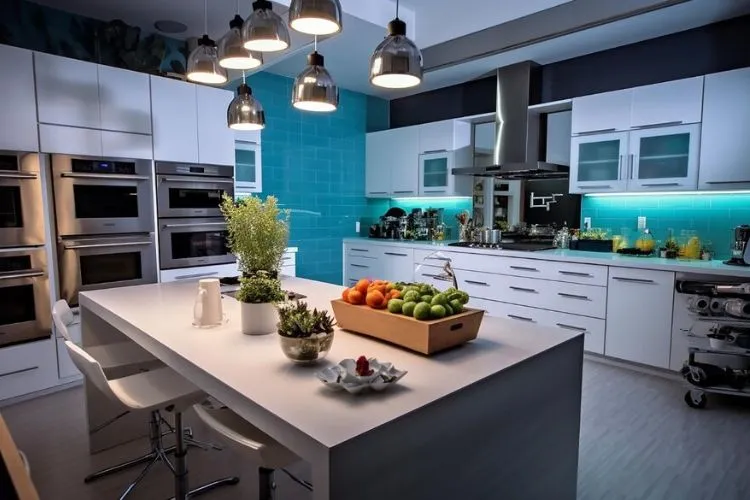
The kitchen is the heart of every home. A well-designed kitchen makes daily life easier and creates a strong appeal when you come to sell. You do not always need a full renovation to see results. Even targeted upgrades can refresh the space and add noticeable value.
Here are the most impactful kitchen upgrades:
-
Replace worn or outdated cabinet doors and handles
-
Upgrade to a new countertop in stone or composite material
-
Install energy-efficient appliances
-
Add task lighting under cabinets for a modern feel
-
Replace old flooring with tiles or luxury vinyl
A full kitchen refurbishment typically costs between £5,000 and £15,000 in the UK. Even a basic refresh with new doors and worktops can cost as little as £1,500 and still make a noticeable impact on how your kitchen looks and functions.
|
Kitchen Upgrade |
Estimated Cost |
Value Added |
|
New cabinet doors |
£500-£1,500 |
Moderate |
|
New countertops |
£1,000-£3,000 |
High |
|
Full kitchen renovation |
£5,000-£15,000 |
Very High |
|
Energy-efficient appliances |
£800-£2,500 |
Moderate |
Bathroom Renovations Worth the Investment
A clean, modern bathroom is one of the first things buyers notice during a viewing. An outdated bathroom can put people off, even if the rest of the home is in good condition.
The most effective bathroom improvements include:
-
Replacing a dated suite with a modern, compact design
-
Re-tiling the walls and floor for a fresh, clean look
-
Adding a walk-in shower or a shower over a bath
-
Upgrading taps, fixtures, and accessories
-
Improving ventilation to prevent damp and mould
A basic bathroom renovation in the UK costs between £3,000 and £6,000. A full bathroom redesign can cost up to £10,000 or even more. Most homeowners see a return of 50% to 70% of the renovation cost in added property value, making this one of the most reliable improvements to make.
Energy Efficiency Improvements That Save You Money

Energy bills are rising across the UK. Making your home more energy efficient reduces your monthly costs and makes your property more attractive to buyers. Energy-efficient homes achieve higher Energy Performance Certificate (EPC) ratings, which matter more than ever to both buyers and lenders.
Top energy efficiency improvements include:
-
Installing loft insulation
-
Upgrading to double or triple glazing
-
Fitting a new, high-efficiency boiler
-
Adding cavity wall insulation
-
Installing solar panels
The UK government offers grants and schemes to help with some of these costs. The Great British Insulation Scheme, for example, helps eligible homeowners cover insulation costs. Always check what support is available in your local area before you spend.
|
Improvement |
Estimated Annual Saving |
Typical Cost |
|
Loft insulation |
Up to £310 |
£300-£600 |
|
Double glazing |
Up to £235 |
£3,000-£7,000 |
|
New boiler |
Up to £340 |
£1,500-£3,500 |
|
Solar panels |
Up to £1,000+ |
£5,000-£9,000 |
Exterior Upgrades
The outside of your home is the first thing visitors and potential buyers see. Even small changes can have a big impact on how your property is perceived from the outside.
Effective exterior upgrades include:
-
Painting or rendering the exterior walls
-
Replacing the front door with a modern, secure design
-
Landscaping the front garden with neat planting
-
Adding outdoor lighting along the path or porch
-
Repairing or replacing the driveway
-
Cleaning and repointing brickwork
A new front door alone can add up to 10% to your home’s value, according to UK property experts. It also improves security and reduces heat loss at the same time.
Which Home Improvements Add the Most Value?
Not every home improvement delivers the same return. Some projects are better investments than others, depending on your property type and location. Here is a quick overview of the best home improvements for UK homeowners:
|
Home Improvement |
Estimated Value Added |
Best For |
|
Loft conversion |
Up to 20% |
Semi-detached and terraced homes |
|
Kitchen renovation |
Up to 10% |
All property types |
|
Bathroom renovation |
5-7% |
All property types |
|
Rear or side extension |
Up to 15% |
Properties with larger plots |
|
New front door |
Up to 10% |
All property types |
|
Energy upgrades |
5-8% |
Older properties |
|
Landscaping/kerb appeal |
3-5% |
All property types |
How to Plan Your Home Improvements on a Budget
Planning is essential before you start any home improvement project. A clear plan helps you stay on budget and avoid costly mistakes along the way. It also ensures the work adds genuine value rather than simply reflecting personal taste.
Follow these practical steps before you begin:
-
Set a clear budget and stick to it throughout the project
-
Get at least three quotes from qualified and insured tradespeople
-
Prioritise improvements that add the most value first
-
Check whether planning permission is required for your project
-
Use a licensed and insured contractor for all major structural or specialist work
-
Keep records of all receipts, guarantees, and warranties
Home Improvements That Are Unlikely to Add Value
Knowing what to avoid is just as important as knowing what to do. Some upgrades feel like a good investment, but rarely pay off when you come to sell. Here are the most common ones UK homeowners should think carefully about before spending:
-
Over-personalised kitchens: highly specific design choices narrow your buyer pool significantly.
-
Bold wallpaper and statement paint colours: neutral tones appeal to a wider range of buyers.
-
Swimming pools: installation and upkeep costs are high, and seasonal use in the UK is limited.
-
Elaborate garden landscaping: high-maintenance outdoor spaces can put buyers off.
-
Converting bedrooms into specialist rooms: a home gym or walk-in wardrobe reduces bedroom count, which matters to most buyers.
-
Built-in shelving and fitted units: they limit how buyers can personalise a space.
-
Luxury flooring like marble or exotic hardwood: expensive to install and not universally valued.
-
Garage conversions: in many UK areas, off-street parking and storage space are highly sought after.
-
Elaborate decking or patios: the British climate means outdoor spaces get less use, so simpler designs offer better value.
Conclusion
The best home improvements for UK homeowners are those that add real space, improve energy efficiency, and appeal to a wide range of buyers. Start with high-impact projects, such as a kitchen upgrade, a bathroom renovation, or simple kerb appeal changes. However, always plan carefully, set a realistic budget, and use qualified tradespeople.
Frequently Asked Questions
Do I need planning permission for home improvements?
Most internal improvements do not need planning permission. However, extensions, loft conversions, and some external changes may require approval from your local council. Always check with your local planning authority before you start any major work.
Which home improvement adds the most value in the UK?
Loft conversions and rear extensions typically add the most value. Kitchen and bathroom renovations also deliver strong returns across most property types in the UK.
How much should I spend on home improvements?
A common rule is not to spend more than 10% of your property’s current value on any single improvement. This helps ensure you stay within a range that you can realistically recover when you sell.
Are energy efficiency improvements worth the cost?
Yes. Energy upgrades reduce your bills, improve your EPC rating, and appeal to buyers who want lower running costs.
Can I do the best home improvements myself to save money?
Yes, for smaller cosmetic tasks such as painting, decorating, or landscaping. However, always use a qualified professional for electrical, gas, or structural work.
Read more:
- Subsidence in Property: Causes, Signs, and What You Should Do
- How to Perform Move-out Inspections in Rental Properties
- The Art of Caulking: Protecting Your Home from the Elements
Note: The content on this article is for informational purposes only and does not constitute professional advice. We are not responsible for any actions taken based on the information provided here.