Nursing home abuse is a complex concept to accept. After making the difficult decision to transition a loved one into nursing home care, you hope they are given the care they need to maintain a quality of life. Unfortunately, some nursing home facilities are understaffed or have improperly trained their staff.
Those are the two main factors that can contribute to the conditions leading to malnutrition and dehydration for nursing home residents.
According to data collected by the Center for Medicare Advocacy, between 30% and 85% of nursing home residents suffer from malnutrition and dehydration. Those are alarming statistics that every family with a loved one in nursing home care should be concerned about.
Families need to understand what it means to be malnourished or dehydrated and how this can affect the health of their loved ones.
What Is Malnutrition?
Everyone needs to maintain proper nutritional levels to support their body’s immune system and prevent illnesses from taking hold. Yes, you can still get sick if you eat a balanced and nutritious diet but having proper nutrition can fortify your body’s natural abilities to combat those illnesses.
Malnutrition in nursing homes is most common among those residents who have challenges with feeding themselves.
Sometimes a resident can receive a meal at their bedside, but it goes untouched unless a staff member reminds the resident to eat or helps them. This often happens with residents who are suffering from dementia.
A nursing home resident who suffers from malnutrition is more susceptible to infections. They can also develop muscle weakness, which can lead to falls and trigger an entirely different set of injuries and health complications. Malnutrition also contributes to the development of pressure ulcers, or bedsores, pneumonia, and increased susceptibility to viruses.
It is vital for families who can visit their loved ones consistently to recognize the following signs of malnutrition:
· Unexplained weight loss
· General overall weakness
· Chronic fatigue
· Swelling in the face or abdomen
· Unusual cognitive impairment
· Loss of appetite
· Dull or brittle hair
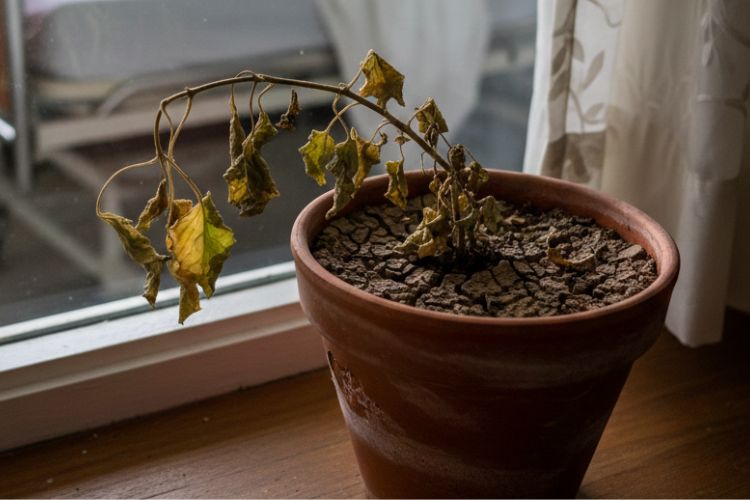
What Is Dehydration?
One of the first signs of dehydration is a sense of thirst. Yes, you are slightly dehydrated when you feel the need for a glass of water. Unfortunately, when a nursing home resident experiences thirst, they might not always have immediate access to drinking water.
When that condition persists, it can lead to serious health complications. Even a 10% reduction in fluids for an individual can trigger those health concerns.
Dehydration isn’t just a result of not drinking enough fluids. It can also occur when someone is suffering from an illness with a fever or has experienced vomiting. Certain medications can also trigger dehydration.
The following are symptoms of dehydration that families need to be aware of:
· Dry mouth and throat
· Extreme thirst
· Sunken eyes
· Very dry skin
· Confusion
· Low blood pressure
· Irritability
How to Prevent Malnutrition and Dehydration in Nursing Homes
Even though your loved one has made the transition to a nursing home, you are still considered their primary caregiver. You are well within your rights to check in with the nursing home staff each day to see if your loved one has eaten their meals and kept up with their fluid intake.
By being persistent, you are letting the nursing home know that you’re holding them accountable for quality care.
If there are recurring unresolved issues around your loved one’s care, you should speak with an experienced nursing home abuse attorney. They will be able to provide you with the guidance you need to decide the best approach for a resolution.
This is definitely a situation where if you see something, you need to say something.
Note: The content on this article is for informational purposes only and does not constitute professional advice. We are not responsible for any actions taken based on the information provided here.
